
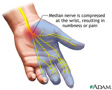
 Carpal Tunnel Syndrome (CTS) and repetitive strain injuries are common occurrences in the work place. CTS is the compression of the median nerve, which is responsible for the sensation of the palm, thumb, index finger and the ring finger as well as the muscular function at the base of the thumb. There have been no specific causes identified, but the many known risk factors include family history, age and gender. Those diagnosed with diabetes, rheumatoid arthritis and other metabolic disease can be more susceptible to CTS due to its direct effect on nerves. Pregnancy, menopause, hypothyroidism or those with overactive pituitary glands are also subject to higher risk due to increase fluid retention and swelling. Those affected by CTS may experience symptoms such as numbness and pain in the wrist, hand, and fingers; as well as muscles weakness and loss of sensation. These symptoms are caused by the swelling of the tissue surrounding the nerve, which compromises the nerves’ ability to transmit.
From an ergonomic standpoint, the goal is to prevent and reduce the strain that causes the swelling. Whether we work in an office setting or a labour-intensive job, we are always using our hands and fingers, which increases strain in the carpal tunnel. CTS can lead to severe discomfort, resulting in reduced employee productivity, absenteeism and even career change. The best prevention is to focus on what we can control. We can control positioning, the equipment and work habits in order to reduce the risk.
Posture
Posture begins with the spine, thus the neck and back must be aligned and supported by the back rest of the chair. The median nerve originates from the neck. Therefore, if the neck posture is poor and in a forward flexion position, the nerve may already be irritated. Elbows must be aligned below the shoulders and be properly supported by the armrests, keeping the forearms held and maintained at a 90-degree position. Finally, the wrist must be supported in a neutral position. Any wrist deviation or extension can increase muscle tension which can lead to inflammation of the surrounding tissue of the carpal tunnel.
Rest Periods
When performing certain jobs, we often develop a routine and establish habits. Our habits may not always be beneficial to our posture, may contribute to our discomfort, and may be detrimental to our health. It is important for the employee to take “micro-breaks”. Micro-breaks are small breaks that last 30 seconds to 3 minutes, in which the employee should at minimum pause and correct posture, or stand up, move around and stretch. It is encouraged to take these breaks every 30-45 minutes to reduce strain and inflammation. Breaking bad habits is not always easy. However, when one becomes fatigued, posture begins to breakdown. Adopting a proactive approach to maintain correct posture by implementing micro breaks at regular intervals throughout the day is a simple and effective way to reduce the risk of CTS.
Equipment
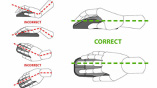 Every day we are performing repetitive movements with equipment that may be contributing to our discomfort. However, everyone responds differently when executing the same task. Consequently, when looking to acquire new equipment, it is not a one size fits all situation. There are many innovative solutions that will help reduce strain and help prevent further irritation. Keyboard trays allow adjustability and enable employees of all heights to maintain a neutral position. Pay attention to the amount of reach; ensure the keyboard and mouse are placed within forearms reach to avoid any other added tension. Split and elevated keyboards allow for a more natural hand position and reduce muscle tension from the forearm and the wrist. Gel supports often provide comfort as they allow the wrist to be held and avoid contract stress from hard surfaces. Mousing is often related to CTS as it requires small repetitive movements and constant clicking. There are now vertical, trackball, and roller mice that minimize the discomfort associated with CTS.
In summary, although CTS has no specific cause, it can be aggravated by many risk factors seen in the workplace. The main goal is to reduce strain, decrease the inflammation and alleviate the discomfort to improve one’s overall wellbeing. An ergonomic assessment would be beneficial as the regulated health professional can evaluate your workstation to assess the risks, provide education on proper positioning and behaviours as well as propose recommendations specific to your needs. If you believe you may be experiencing signs of CTS, consultation with your family physician is recommended to determine the most appropriate course of treatment.
References:
www.apta.org — American Physical Therapy Association
www.aan.com — American Academy of Neurology
www.nih.gov/niams — National Institute of Arthritis and Musculoskeletal and Skin Diseases
www.nlm.nih.gov — National Institute of neurological disorders
www.workerscompensationinsurance.com — Resources for injured workers
Huisstede BM, Hoogvliet P, Randsdorp MS, Glerum S, van Middelkoop M, Koes BW. Carpal tunnel syndrome. Part I: Effectiveness of nonsurgical treatments — a systematic review. Arch Phys Med Rehabil. 2010;91:981-1004.
Harvey Simon, MD, Physician, Massachusetts General Hospital: Carpal Tunnel Syndrome. University of Maryland. 2012.