
Meeting Ontario’s working at heights training requirements is more important than ever in 2026. Staying compliant with the latest regulations supports your team’s safety and keeps your projects on track. At Auspice Safety, we want you to feel prepared and informed. This blog explains the current rules for working at heights training in Ontario, outlines who needs certification, describes what is included in approved training, and explains how you can keep your workplace compliant in 2026.
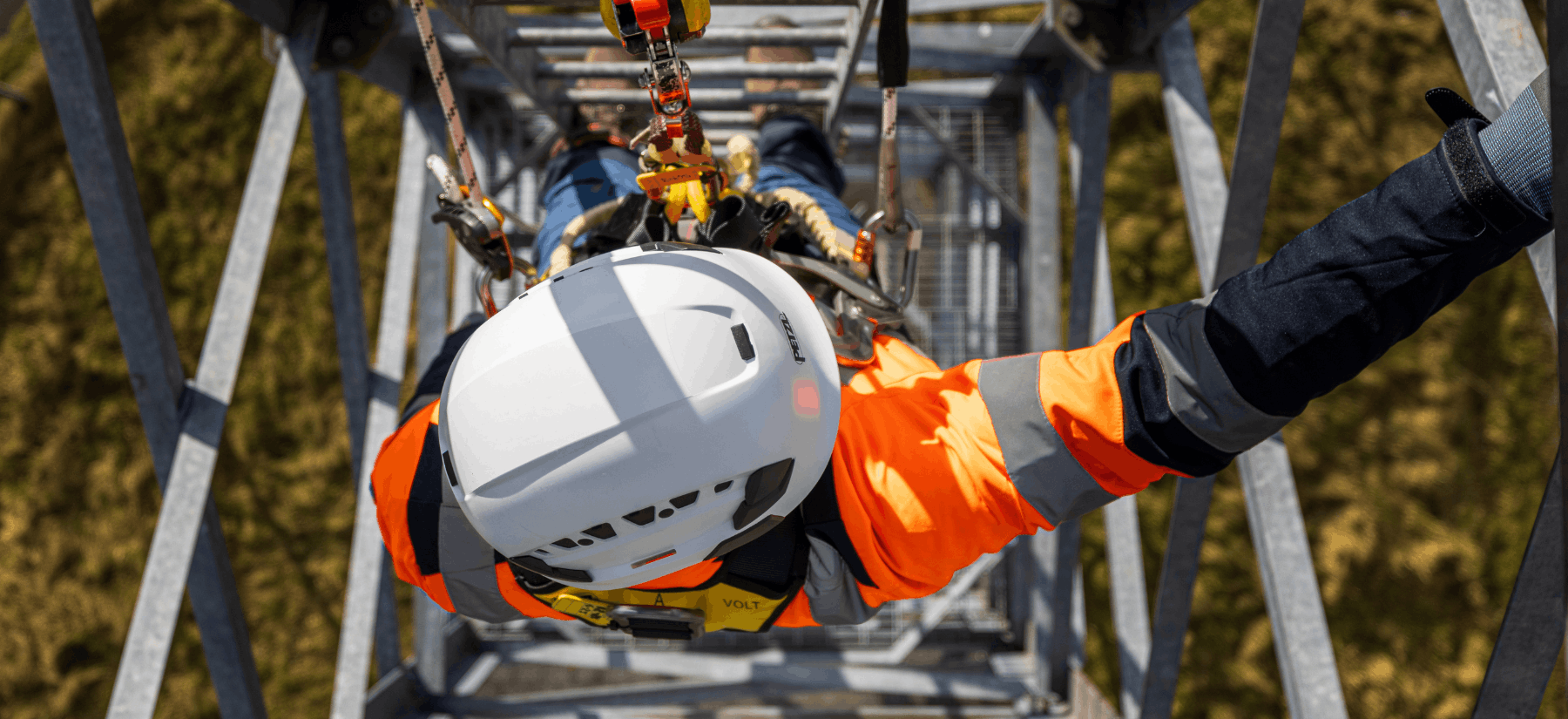
Understanding Ontario’s Working at Heights Training Standards
The Occupational Health and Safety Act in Ontario requires any worker on a construction project who may use fall protection to complete training through a Ministry-approved program. These measures apply to many trades, not just construction. Roofing, steelwork, building maintenance, and window cleaning are a few of the industries where this rule applies. Since 2015, Ontario law has required proof of valid working at heights training before any worker starts a job where they are exposed to a fall hazard of 3 metres or more.
The Ministry of Labour, Immigration, Training and Skills Development continues to prioritize fall protection and has recently increased enforcement efforts. From April 2023 to March 2024, inspectors conducted over 16,000 field visits to construction projects and issued more than 48,000 orders related to fall protection and working at heights. These statistics show the ongoing need for proper training and oversight on all worksites where falls are possible.
Who Must Complete Working at Heights Training in Ontario?
Any worker, apprentice, or supervisor on a construction site who could be exposed to a fall risk of three metres or more must complete CPO-approved working at heights training. Certification is required for all roles, including subcontracted or temporary workers, before tasks involving fall hazards begin.
Employers are legally obligated to confirm training, keep detailed records, and produce certificates for inspection upon request. Failure to comply carries significant risks, including penalties, stop-work orders, and increased liability. According to MLITSD data from 2024, falls from heights remain a leading cause of serious injury and death on Ontario worksites, highlighting why compliance with training requirements is critical.
On the Blog: Heat Stress and Heat Stroke: Protecting Workers During the Summer Months
What Does Working at Heights Training Include?
Auspice Safety provides CPO-approved working at heights training that fully meets current legislative requirements.
The training is divided into two main parts: a theory section and a hands-on practical session. The theory covers legal responsibilities, hazard identification, fall protection systems, and planning for safe rescues. During the practical component, participants learn how to inspect and correctly use harnesses, lanyards, anchor points, and associated equipment.
Training is valid for three years and must be renewed before expiry. The refresher course reviews legislative updates, essential safety procedures, and practical skills. Employers must keep up-to-date training records on site, ready for inspection by MLITSD.
How to Stay Compliant with Ontario’s 2026 Working at Heights Training Requirements
Employers must proactively manage compliance in 2026 by identifying all employees and contractors who work at heights or use fall protection. Confirm that every certificate is valid before any work begins, and keep all records accessible in case of inspection.
It is also helpful to hold regular safety meetings, assign a knowledgeable supervisor to oversee fall protection efforts, and use reminders or software tools to monitor upcoming certificate renewals. Investing in CPO-approved training reduces risk, as falls from heights remained a major cause of traumatic injuries and fatalities in construction in 2024.
Creating a safety-focused workplace culture not only protects workers but also shields your business from penalties and disruption. Quality working-at-heights training is a foundation of responsible construction management.

Conclusion: Are You Meeting Ontario’s Working at Heights Training Standards for 2026?
Employers and supervisors must ensure everyone performing work at heights has valid, CPO-approved training. Ontario’s regulations are stringent, requiring well-kept records, timely renewals, and clear documentation. With fall-related incidents still a serious concern, prioritizing effective training is essential. [Added CPO-approved and clarified requirements] At Auspice Safety, our goal is to help you keep your team safe and reduce your risk of penalties or injuries. Let us help you stay compliant, confident, and focused on what you do best.
Partner with Auspice Safety to Protect Your Team
If your organization needs support with working at heights training in Ontario, Auspice Safety can help. Our CPO-approved programs, experienced instructors, and practical resources will guide you through certification, renewals, and ongoing compliance. We are committed to helping Ontario employers provide safe, healthy workplaces. Contact us today to schedule your next training session or to review your current safety program.